US-Israel Strikes on Iran: Targeting Regime & Nuclear Threat
A new, intensified chapter has opened in the long-standing tensions between the United States, Israel, and Iran. Recent joint military operations have seen a significant escalation, with precision strikes targeting key elements of the Iranian regime and its suspected nuclear program. This coordinated offensive marks a calculated shift in strategy, moving beyond previous "summer bombardments" to a broader, more ambitious campaign aimed at fundamentally altering the geopolitical landscape of the Middle East.
The Scope and Strategy Behind the Strikes
The initial wave of US and Israeli strikes against Iran has been characterized by its wide scope and strategic focus. Unlike previous limited engagements, these attacks appear to be part of a comprehensive plan designed to cripple the Islamic Republic's military capabilities and dismantle its leadership structure.
Key targets identified in the early stages include:
- Leadership Assets: Direct attempts to neutralize top leaders of the Islamic Republic, though initial reports suggest key figures like the President and spiritual leader have evaded harm by relocating to secure shelters.
- Air Defense Systems: Targeting Iran's air defense infrastructure, which was reportedly compromised after previous military engagements. The goal is to establish air superiority and minimize Iran's capacity to repel further attacks.
- Missile Units: Iranian missile capabilities, a cornerstone of its regional projection of power, are under attack to reduce its offensive strike potential.
- Symbolic State Power Buildings: Key governmental and intelligence facilities in Tehran and other major cities, including the intelligence ministry, ministry of defense, the office of the Supreme Leader, the Atomic Energy Organization, the Supreme Court, and various judicial centers, have been hit. This aims to disrupt command and control and undermine the regime's authority.
- Provincial Centers: Beyond the capital, at least a dozen major provincial cities, such as Qom, Tabriz, Bushehr, and Isfahan, have been subjected to aerial bombardment. This expands the operational reach and pressure on the regime across the country.
The overarching objectives, as articulated by the US, are twofold: primary – the complete liquidation of the Islamic Republic regime; and secondary – the elimination of Iran's nuclear potential. Former President Trump's resolute statement, "We will ensure Iran does not get nuclear weapons. It's a very simple message: they will never have nuclear weapons," underscores the gravity of the nuclear threat as perceived by Washington. This declaration implicitly acknowledges that previous attempts to halt Iran's nuclear ambitions, including the aforementioned "summer bombardments," were insufficient and that Iran has likely continued its work on an atomic bomb.
Beyond conventional aerial assaults, the operation has also incorporated sophisticated cyberattacks against official Iranian information resources, further aiming to disrupt state functions and control the narrative.
Iran's Response and the Information Battlefield
Iran's response to the US-Israeli offensive was swift, though largely ineffectual in terms of direct military impact. Retaliatory attacks were launched against Israel and US military bases in the United Arab Emirates and Bahrain. While a significant portion of these incoming missiles was reportedly intercepted by advanced air defense systems, the "penetration of air defense" was evident, with social media videos showing plumes of smoke rising from impact sites.
In modern warfare, especially one with high stakes and global scrutiny, the information battlefield is as crucial as the physical one. For Iran, a critical "prestige goal" is to demonstrate its capability to inflict damage on its adversaries. A key piece of evidence that the Iranian leadership and its populace would undoubtedly desire is visual confirmation of a downed enemy aircraft. The absence of a credible "Iran F-15 video" or footage of any downed US or Israeli aircraft—a phenomenon that saw many fakes circulate during previous conflicts—could severely impact the morale of the Iranian army and the resilience of its society. Such a visual "win" is vital for propaganda and psychological warfare, and its lack highlights the perceived effectiveness of the US-Israeli air campaign. For more on this critical aspect of modern conflict, read
Iran's Defense: Why a Downed Plane Video Is Crucial.
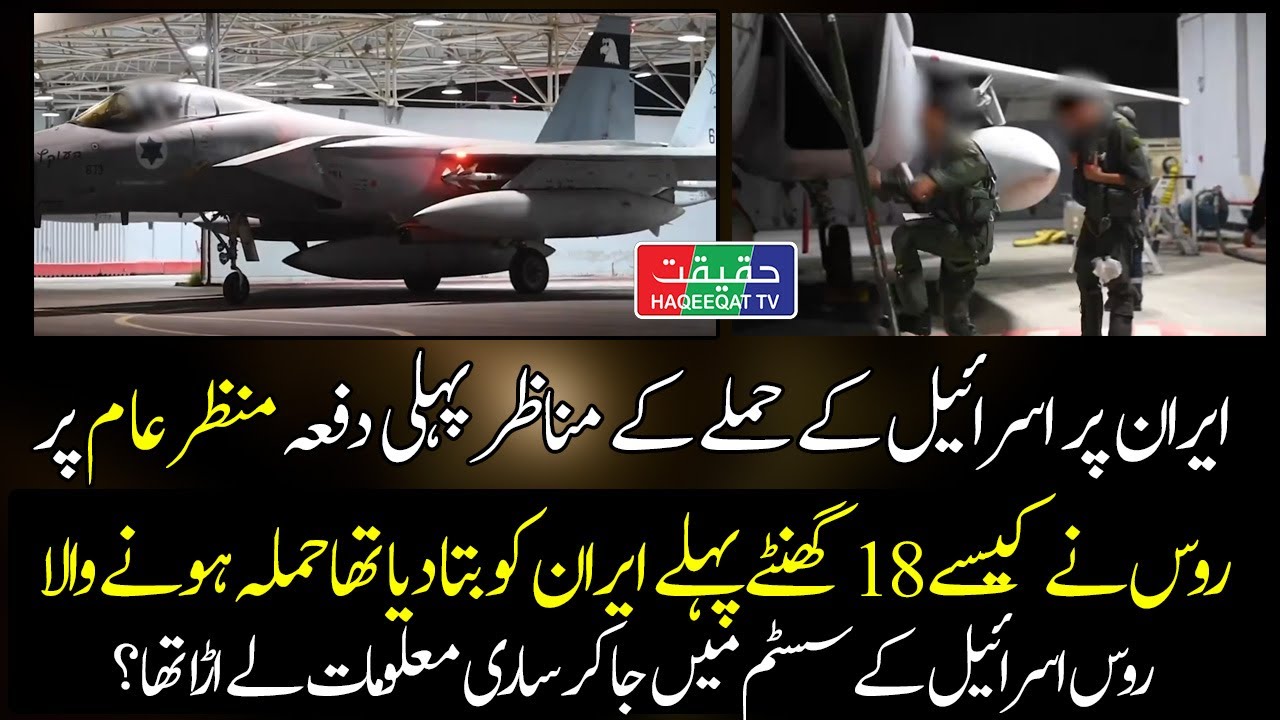
The F-15, a cornerstone of US and Israeli air superiority, represents advanced aerial power. The fact that no credible "Iran F-15 video" showing a downed jet has emerged speaks volumes about the challenges Iranian air defenses face against highly sophisticated, stealth-capable aircraft and electronic warfare measures. The ability of these aircraft to penetrate and operate within Iranian airspace with relative impunity underscores a significant tactical disadvantage for Tehran.
The Evolving Dynamics of Engagement
The current conflict is an unfolding experiment in modern warfare, pushing the boundaries of strategic engagement. Former President Trump, in amassing a formidable armada near Iran's borders, initially pursued a strategy of "negotiation combined with military pressure." He expressed a desire for a "short operation," suggesting a belief that decisive air strikes could achieve strategic objectives without the need for a prolonged ground conflict.
However, a major point of contention among military experts remains the feasibility of achieving regime change and eliminating nuclear capabilities without a ground operation. The historical record suggests that truly fundamental shifts in a nation's political structure often require a physical presence on the ground, which comes with its own set of immense challenges and potential for entanglement. The question of "how deeply the US will get bogged down in a war with the Ayatollah" remains unanswered. For a deeper dive into this strategic dilemma, consider
Iran Conflict: Will US Achieve Goals Without Ground War?.
Looking ahead, analysts anticipate potential attacks on Iran's military fleet. This represents a particularly vulnerable and less defended segment of the Islamic Republic's defense apparatus. From a media perspective, a successful naval operation could be highly impactful, showcasing the precision and overwhelming force of the US-Israeli coalition.
Technological advancements are also playing a crucial role. The US has reportedly deployed the "Scorpion Strike" operational group, equipped with LUCAS kamikaze drones. These sophisticated unmanned aerial vehicles are described as a highly advanced replica of the Russian "Geranium-2" (Shahed-136), highlighting the evolving nature of offensive capabilities in modern warfare, where swarms of autonomous drones can deliver precise and devastating strikes.
The Unanswered Questions and Future Outlook
As the operation continues, two paramount questions loom:
- What lessons have Iran's leadership, military analysts, and command structures genuinely learned from the "crushing results" of previous military campaigns, and how will they adapt their defense plans?
- How do the Americans intend to achieve their primary strategic objectives – regime change and nuclear disarmament – without resorting to a ground invasion, which history suggests is often necessary for such profound shifts?
The answers to these questions will not only shape the future of Iran but also significantly influence regional stability and global power dynamics. The precision and scale of the current strikes represent a bold gamble, testing the efficacy of airpower and cyber warfare in achieving ambitious geopolitical goals.
Conclusion
The US-Israel strikes on Iran represent a critical juncture in a volatile region. With targets ranging from top leadership and military infrastructure to symbolic centers of state power and suspected nuclear facilities, the campaign is clearly designed to achieve fundamental change. While Iran has attempted retaliation, the effectiveness of its defense and counter-offensive capabilities remains questionable, particularly in the absence of tangible evidence of successful engagement like a widely circulated "Iran F-15 video" showing a downed enemy jet. The coming weeks and months will reveal whether this "experiment" in high-intensity, non-ground warfare can indeed dismantle a entrenched regime and neutralize a nuclear threat without leading to a more extensive, protracted conflict. The world watches closely as the strategic dance between these formidable powers unfolds.